Ever scroll listings and wonder if “waterfront,” “waterview,” and “canal-front” all mean the same thing? You are not alone. These terms shape your lifestyle, your budget, and what you can actually do on the water in Ocean View. In this guide, you will learn what each label typically means here, what to verify before you tour, and how to avoid surprises with access, permits, and insurance. Let’s dive in.
Key coastal terms explained
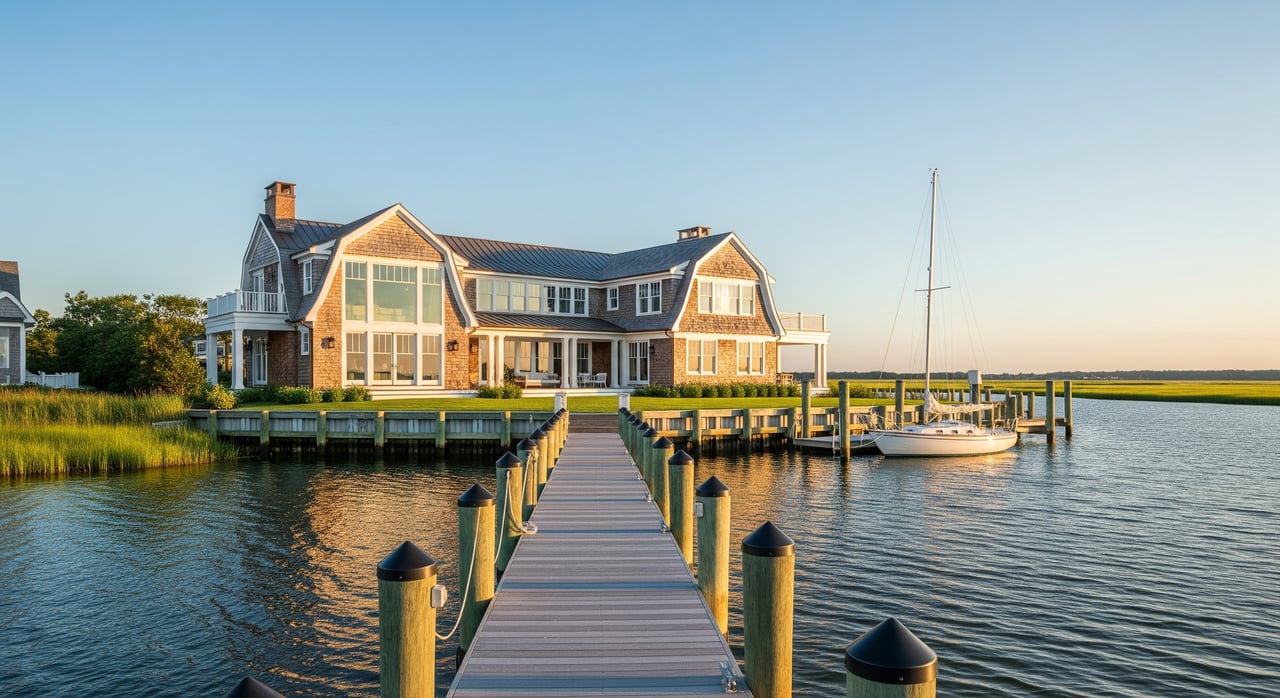
Waterfront means your lot directly touches a water body. There is no other private parcel between you and the water. In Ocean View, that is usually a tidal bay edge or a canal.
Waterview highlights the sightline. You can see water from the house or lot, but your land may not touch it and you may have no legal access.
Canal-front means your property borders a canal. Many area canals are man-made within planned communities and may connect to the Rehoboth Bay and Indian River Bay system. Depth, tides, and maintenance vary.
Ocean View’s water reality
Ocean View sits inland of the Atlantic barrier beaches and is near tidal bays tied to Rehoboth Bay and Indian River Bay. Listings sometimes use “ocean” language loosely. If you see “ocean view” or “ocean access,” confirm which water body is in play. True oceanfront describes the Atlantic-facing beach, which Ocean View does not have.
These bays and canals are tidal. Water levels shift with tides and can rise during coastal storms. Depth and navigability can change with season and maintenance.
What “waterfront” means for you
A true waterfront parcel can offer a shoreline, bulkhead, or the chance to add a dock. It can also come with rules, permits, and responsibilities.
Access and ownership basics
- Your parcel typically extends to the local mean high-water mark on tidal waters. Submerged lands are often state-owned.
- Many owners enjoy some riparian rights, but they are not unlimited. Rights to build or use structures depend on permits and local rules.
- Direct access is not guaranteed. Water must be suitable for use, and any structure such as a dock must be permitted.
Permitting and approvals
- Within town limits, the Town of Ocean View handles local zoning and some permits.
- Sussex County oversees county-level approvals, utilities, and property records that confirm lot lines.
- The Delaware Department of Natural Resources and Environmental Control (DNREC) typically permits docks, piers, bulkheads, and work in tidal or tidal-influenced waters.
- The U.S. Army Corps of Engineers may be involved for navigable waters. Federal approvals can layer onto state and local permits.
Before you assume a private dock is possible, verify if it is allowed in that location, whether a permit exists, and what size or placement limits apply.
Flood risk and insurance
- The bays around Ocean View are tidal and can experience storm surge during coastal storms.
- Lenders often require flood insurance when a home is in a Special Flood Hazard Area. Rates depend on the property’s elevation relative to Base Flood Elevation.
- Elevation certificates can help you understand insurance costs and building standards. Ask for the current policy cost and any recent claims history.
What “waterview” really offers
Waterview is about the outlook, not access. It might be a panoramic bay sightline or a peek between homes from an upper floor.
- Confirm the view source and seasonality. Some views rely on second or third floors, and foliage or future construction could affect them.
- Ask whether the property includes any rights to cross intervening land. If a community dock or path exists, request documentation of easements or HOA permissions.
- If access matters, do not rely on the view alone. Verify any rights to a boat ramp, marina, or community pier.
What “canal-front” includes
Canal-front properties can be ideal for kayaks and small boats. In some communities, they can work for larger vessels if depth and clearance allow.
Boating and depth
- Not all canals connect to open bay water. Track the route to open water and ask about any fixed bridges or low-clearance points.
- Depth varies with tides. Ask for recent depth measurements, when the canal was last dredged, and any boat size limits.
- Small craft like kayaks and paddleboards are generally feasible even in shallower canals. Larger powerboats require adequate draft and an unobstructed path.
Maintenance and responsibility
- Many canal systems are private and maintained by an HOA or community association.
- Clarify who pays for dredging, bulkhead repair, and shared shoreline stabilization. These costs can be significant and may affect fees.
- If your lot has a bulkhead, request maintenance records, permits, and any warranties.
Infrastructure you should inspect
Waterfront and canal-front living often adds upkeep you would not see inland.
- Bulkheads and shoreline stabilization: Inspect condition and remaining life. Replacement typically requires permits and is a major expense.
- Docks and piers: Confirm ownership, permitting status, and condition of pilings, decking, and fasteners. Some older docks may be grandfathered but still need proof of legal status.
- Saltwater exposure: Expect more maintenance for exterior finishes, HVAC components, and metals due to corrosion.
The regulatory landscape at a glance
You will likely interact with several agencies or records as you evaluate a property:
- Town of Ocean View: zoning, subdivision approvals, and local permit considerations.
- Sussex County: parcel records, GIS mapping, and utility information.
- DNREC: permits for docks, piers, bulkheads, and shoreline work in tidal or tidal-influenced waters.
- U.S. Army Corps of Engineers: certain activities in navigable waters.
- FEMA: flood maps, flood zone terms, and National Flood Insurance Program guidance.
Your purchase process should include collecting permits, surveys, and any recorded easements. A real estate attorney can clarify riparian rights and title specifics.
Buyer checklist for Ocean View
Before touring or making an offer, gather answers to these questions:
Property and listing language
- What body of water is named in the listing: Rehoboth Bay, Indian River Bay, a specific canal, or a pond?
- Does the lot physically touch the water? Review a survey to confirm lot lines.
- Are there existing docks, bulkheads, or moorings? Are they included in the sale and permitted?
Boating and navigation
- Does the canal or shoreline connect to larger bay waters? How long to open water and are there fixed bridges?
- What are recent canal and dock depth readings, and when was dredging last done?
- Are there boat size or engine restrictions in the community?
Permits and legal status
- Can you obtain copies of DNREC or Army Corps permits for any structures?
- Do recorded easements or HOA documents confirm access to community docks or ramps?
- What do the HOA covenants say about docks, boat storage, rentals, and shoreline alterations?
Flood and insurance
- What is the current FEMA flood zone, and is there an elevation certificate on file?
- What are the current homeowners and flood insurance premiums, and any recent claims history?
- Are there planned mitigation or maintenance projects that may affect risk or access?
Physical condition
- What is the condition of bulkheads, pilings, decking, and fasteners? Consider a marine contractor inspection.
- Any signs of erosion or scour after storms?
- If the property uses septic, does it meet state and county setback rules near water?
Neighborhood and long-term outlook
- What zoning or building allowances nearby could affect your view or access in the future?
- Are there planned developments or public works that could change traffic, noise, or access?
- Which community amenities are available and what are the usage limits?
Value, resale, and total cost
Waterfront and waterview homes often command a premium. That premium reflects the outlook, the access, and the lifestyle. It also reflects higher ownership costs.
- Insurance and maintenance tend to be higher for waterfront and canal-front properties than for inland homes.
- The buyer pool can be narrower. Not everyone wants to manage docks, bulkheads, or higher premiums.
- View can be temporary. Confirm set-backs and nearby allowances that could enable new structures to alter sightlines.
- Sellers who document dock permits, bulkhead work, and maintenance history help protect value and instill buyer confidence.
How to choose what fits your lifestyle
Start with your water goals. If you dream of stepping onto a private dock, focus on true waterfront or canal-front with confirmed permits and adequate depth. If you want a serene outlook without boat ownership, waterview may deliver the experience with fewer maintenance demands.
From there, weigh insurance and upkeep against your budget and travel habits. For second-home owners, community-maintained canals can reduce the hands-on work but may add HOA fees. For avid boaters, canal depth, tidal swing, and route to open water are priority checks.
Concierge support for a confident buy
You deserve a smooth, informed path to the right coastal home. A local advisor can help you read between the lines of listing language, pull permits and records, coordinate marine and structural inspections, and model insurance and maintenance costs. With boutique, hands-on service, you can make a decision that balances lifestyle and long-term value.
If you are weighing waterfront, waterview, or canal-front homes in Ocean View, let’s connect and map your options.
Ready to take the next step? Reach out to Betsy Perry for a local, concierge-level plan tailored to your goals.
FAQs
What does “waterfront” mean in Ocean View real estate?
- It usually means your parcel directly touches a water body, with potential for access and structures that depend on permits and local rules.
How can I confirm a true canal-front property in Ocean View?
- Review the survey for lot lines, verify canal connection to the bay, check depth and dredging history, and request permits for any docks or bulkheads.
Do waterview homes in Ocean View include water access rights?
- Not by default; confirm any recorded easements or HOA-provided access such as a community dock, ramp, or path.
Who permits docks and bulkheads in Sussex County, Delaware?
- DNREC typically oversees structures in tidal or tidal-influenced waters, with local approvals from the Town of Ocean View and county processes where applicable.
How do flood zones and insurance affect waterfront purchases?
- Properties in Special Flood Hazard Areas often require flood insurance, with rates tied to elevation and other factors documented on an elevation certificate.
What should I inspect on a waterfront or canal-front home?
- Bulkhead condition, dock pilings and hardware, signs of erosion, salt-related wear, and any septic compliance near water are priority items.