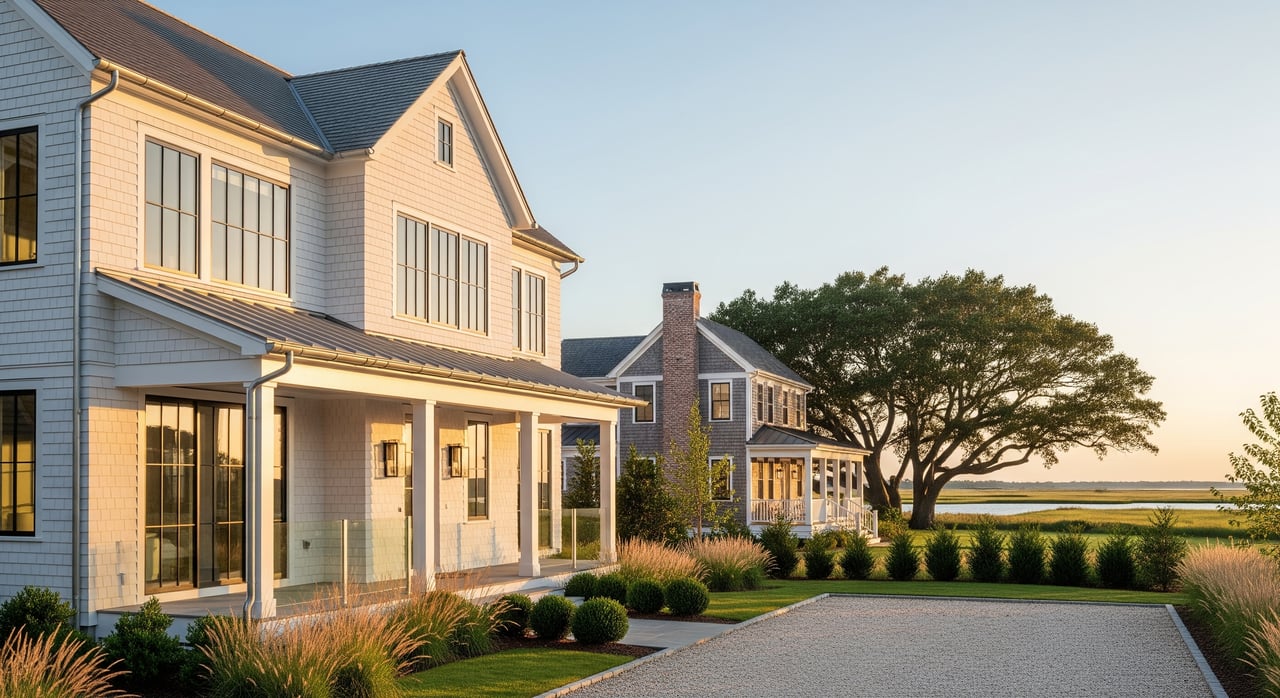
Trying to decide between building new or buying a resale in Millsboro? You are not alone. With steady new construction across Sussex County and a healthy mix of established neighborhoods, the choice can feel overwhelming. This guide breaks down timelines, costs, warranties, HOAs, and day‑to‑day tradeoffs so you can move forward with confidence. Let’s dive in.
Millsboro housing at a glance
Millsboro sits near Indian River Bay and within an easy drive of Delaware’s beach towns. You will find older single‑family homes in and near town, planned subdivisions built since 2000, manufactured or modular communities, and waterfront or near‑water options in the broader Long Neck area. Buyers include year‑round residents, retirees, and relocators seeking better value than immediate beach communities.
Proximity to coastal amenities can push demand for move‑in‑ready homes. At the same time, new subdivisions continue to add inventory for those who want modern layouts and warranties. Your choice often comes down to how quickly you need to move, how much customization you want, and your appetite for projects.
Timelines and move‑in speed
New construction
- Ground‑up builds commonly take 6–12+ months from contract to certificate of occupancy. Builder capacity, weather, materials, and permits influence timing.
- Spec or inventory homes can shorten the timeline to weeks or a few months if a near‑complete house is available.
- Delays happen. Plan for contingencies if you have a lease ending or a home to sell.
Resale homes
- Contract to closing often runs 30–60 days with financing in place. The inspection period, appraisal, and title work can shift timing.
- If you align with the seller’s preferred closing, move‑in can be fast.
Bottom line: If you need keys soon, resale usually wins. If you can wait and want your selections, new construction is flexible.
Financing differences
New construction
- You may need a construction loan or a construction‑to‑permanent loan. Requirements for down payment and documentation can differ from a standard mortgage.
- Some builders offer preferred lenders or incentives. Independent preapproval with a local lender experienced in Delaware construction lending is smart.
Resale
- Conventional, FHA, or VA (if eligible) loans typically apply with streamlined underwriting.
- Preapproval before touring helps you move quickly when the right home appears.
Inspections and closing
New construction
- Negotiate inspection access at clear stages: pre‑pour or foundation, pre‑drywall, and final walkthrough.
- Expect a builder orientation and a punch‑list process before closing. Confirm how warranty items are scheduled and documented.
- Closing requires a certificate of occupancy and completion of punch‑list items per contract.
Resale
- A full home inspection contingency is standard. Consider septic, well, pest, roof, and HVAC inspections based on property age and features.
- Closing timeline depends on inspection outcomes, appraisal, and clear title.
Warranties, maintenance, and risk
New construction warranties
- Many builders use a common structure: 1 year for workmanship and materials, 2 years for mechanical systems, and 10 years for major structural defects.
- Request written warranty terms, claim procedures, and who administers coverage (builder, third‑party, or both).
Resale coverage
- There is no builder warranty. A seller or third‑party home warranty can sometimes be purchased at closing, which is different from structural coverage.
Maintenance and risk tradeoffs
- New construction: Lower immediate maintenance. Expect minor settling and call‑backs, plus ongoing site work such as final grading or landscaping.
- Resale: Higher chance of near‑term expenses like roof, HVAC, or septic. Ask for service records and replacement history.
- Risk balance: New builds carry construction timing and change‑order risk. Resales can hide defects or renovation surprises but deliver faster occupancy.
Customization and style
New construction
- You can often choose floor plans, finishes, fixtures, and sometimes lot orientation if you buy early.
- Change orders add cost and can extend timelines. Get the pricing schedule and policy in writing.
Resale
- Pre‑closing customization is limited. Cosmetic or structural changes happen after settlement and require time and budget.
If tailoring your layout and finishes is a top priority, new construction makes that easier. If you want established charm or mature landscaping, a resale may fit better.
Lots, HOAs, and coastal considerations
Lot types you will see
- Interior subdivision lots in planned communities.
- Larger or semi‑rural parcels on the edge of town.
- Waterfront or near‑water lots around Long Neck and Indian River Bay (check flood zone status and elevation).
- Manufactured and modular home communities.
Drainage and lot orientation matter in Sussex County. Confirm elevation, stormwater management plans, and whether the property lies in a flood zone. If the home is near the bay or in a low‑lying area, flood insurance may be required and premiums can vary by elevation and construction.
HOAs and community rules
- New subdivisions often have HOAs with Covenants, Conditions and Restrictions (CC&Rs), architectural review, and dues that fund amenities and stormwater systems.
- Resales in HOA communities inherit existing rules and fees. Review budgets, reserves, meeting minutes, and history of assessments or fee changes.
- Homes without an HOA offer more flexibility but put all maintenance standards on the owner.
Tip: Review HOA financial health, reserves, and any upcoming community projects before you commit.
Costs, taxes, and long‑term value
Price and value
- New construction can command a premium for modern layouts, energy efficiency, and warranties. In the short term, list prices should be evaluated against neighborhood comps.
- Resales may be priced below new builds but can require immediate investment.
Operating costs
- Newer homes often deliver lower utility and maintenance costs initially.
- Older homes may have higher energy use or upkeep depending on system age and insulation.
Taxes and assessments
- New construction can trigger updated property assessments. Sussex County handles property taxes through the county assessor, so verify expected tax impacts during due diligence.
Insurance and flood exposure
- Near the bay, confirm flood maps, elevation, and insurance requirements. New builds in flood zones may be elevated to meet current standards, which can affect premiums.
How to decide: quick checklist
Use this to clarify your priorities. Prefer a printable version? Ask for a one‑page PDF.
- Timeline: Do you need to move in within 60 days (resale) or can you wait 6–12+ months (new)?
- Budget: Can you handle renovation costs or change orders if they arise?
- Customization: Is selecting finishes and layout essential or a nice‑to‑have?
- Risk: Are you comfortable with construction delays or do you prefer known conditions?
- Warranty: Do you want the peace of mind of new‑home coverage?
- Neighborhood feel: Do you prefer an established area or a new development with newer amenities?
- HOA: Are you comfortable with CC&Rs and dues?
- Long‑term plans: Short stay or long hold? That can shape the smarter choice.
- Financing: Are you preapproved, and have you explored construction lending if needed?
- Due diligence: Will you complete independent inspections and review all documents?
How tours work with Betsy
A well‑planned tour helps you compare options clearly. Here is a practical approach that keeps your time focused on what matters.
Before we tour
- Clarify your must‑haves, nice‑to‑haves, budget, and ideal move date.
- Secure preapproval or proof of funds. If you are considering a build, confirm a lender who handles construction loans.
- Gather reference materials: MLS sheets, builder spec sheets, and HOA documents when available.
During tours
- Neighborhood pass: Drive or walk the area to assess street character, lot sizes, and proximity to services.
- Lot check for new builds: Walk the site and note orientation, grading, drainage, utilities, and nearby construction.
- Model review for builders: Compare standard features versus upgrades. Note allowance levels and selection deadlines.
- Resale walkthrough: Look beyond staging to windows, baseboards, signs of water intrusion, roofline, and mechanical ages.
- Exterior scan: Evaluate yard space, fencing, outbuildings, driveway condition, and drainage.
- Community amenities: Visit common areas and review overall maintenance.
After tours
- Receive a written summary of pros and cons for each property matched to your checklist.
- Decide next steps: write an offer, request detailed builder pricing, or schedule inspections.
- For new builds, request a sample contract and build schedule. For resales, order full inspection and begin title review.
What to bring to tours
- Photo ID and your preapproval letter or proof of funds.
- A short list of nonnegotiables and preferences.
- Your phone for photos, notes, and measurements (with permission).
- Comfortable shoes and a tape measure if you plan to check furniture fit.
New vs. resale: which fits you?
If speed and established neighborhoods are key, a resale may be the better path. If personalization, warranties, and energy efficiency top your list, new construction is compelling. Many buyers tour both to confirm what feels right in person. When you are ready, let a local expert guide the process and protect your interests from first look to closing.
If you want a tailored plan for your timeline, budget, and must‑haves in Millsboro, reach out to Betsy Perry. You will get concierge support, local insight, and a clear path to the home that fits you best.
FAQs
How long does new construction take in Millsboro?
- Most ground‑up builds run 6–12+ months from contract to certificate of occupancy, with timing affected by builder capacity, weather, materials, and permits.
What financing is used for new builds in Sussex County?
- Many buyers use construction or construction‑to‑permanent loans, which have different requirements than standard mortgages; consult a local lender early.
Are HOAs common in new Millsboro communities?
- Yes, many new subdivisions have HOAs that manage amenities and stormwater systems and enforce CC&Rs; always review rules, dues, budgets, and reserves.
Do I need flood insurance near Indian River Bay?
- If a property lies in a designated flood zone, lenders may require flood insurance; confirm elevation, maps, and potential premiums during due diligence.
What inspections should I order on a resale home in Millsboro?
- Start with a full home inspection and consider specialized checks for septic, well, pest, roof, and HVAC based on property age and features.
What warranties come with new construction homes?
- Many builders offer 1‑year workmanship, 2‑year systems, and 10‑year structural coverage; request written terms and claim procedures before you sign.